


"Seeing an unrealized gain lifts your mood; seeing an unrealized loss can keep you up at night." Investing in crypto assets (also known as virtual currencies) takes a real toll on mental health.
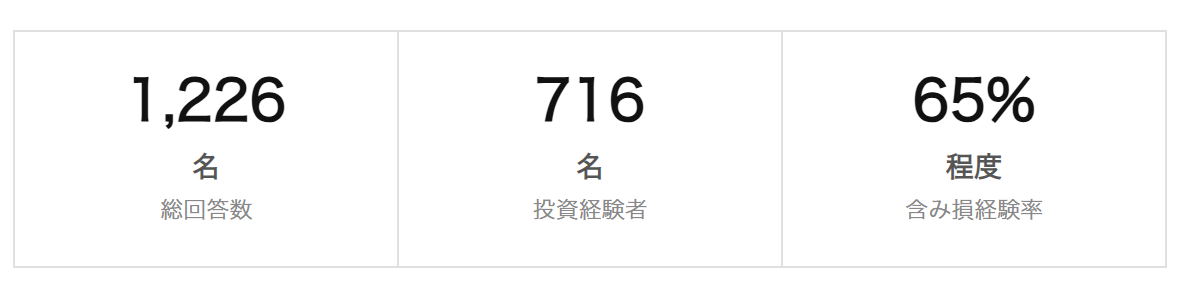
In this survey (n=1,226), 25.0% of respondents with investment experience said they were "afraid of prices continuing to fall sharply," and 17.6% said they "don't know when they should cut their losses."
Beyond fluctuations in asset value, the survey once again highlights that psychological burden is a major dimension of crypto asset investing.
This report takes a detailed look at the mental health challenges facing experienced investors, and the information environment in which they make their decisions.
Respondent profile
Category | Responses | Share |
|---|---|---|
Male | 731 | 59.6% |
Female | 495 | 40.4% |
Investment experience
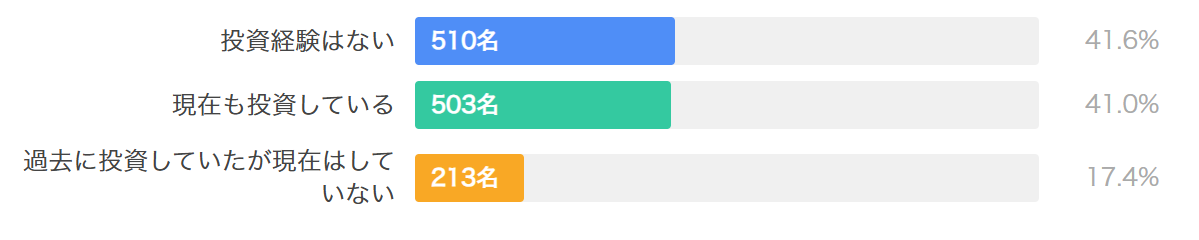
Looking at respondents' investment experience, 41.0% (503 people) are currently investing and 41.6% (510 people) have no investment experience, splitting the sample into two roughly equal groups.
Understanding the psychological state of users who continue to invest on an ongoing basis is extremely important when considering service improvements and user support measures.
Meanwhile, 17.4% (213 people) previously invested but are not currently doing so, which suggests that changes in market conditions and personal circumstances have a significant impact on whether investors continue.
Distribution of years of experience (among experienced investors)
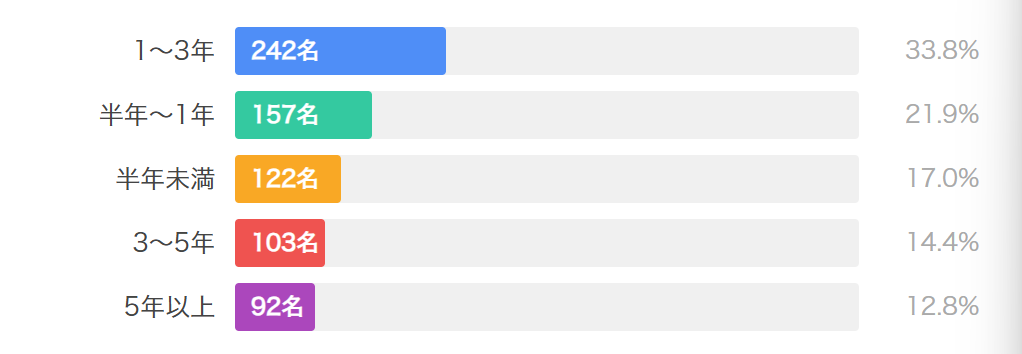
Among experienced investors, the relatively novice segment (1 to 3 years) is the largest, accounting for roughly a third of the total.
This group is in transition from beginner to intermediate investor and may be particularly susceptible to the psychological impact of experiencing unrealized losses, making it important to provide reliable information and robust mental health support.
By contrast, veteran investors with five or more years of experience make up only 12.8%, pointing to challenges around the maturity of the crypto asset market and user retention.
Experience with unrealized losses and the psychological impact
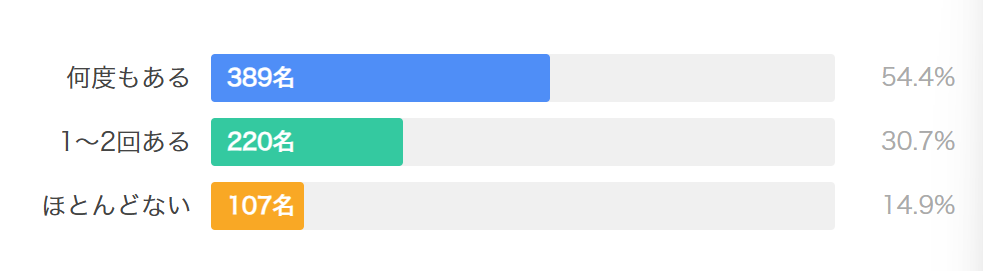
Roughly 65% of experienced investors have experienced an unrealized loss. The likelihood of experiencing an unrealized loss tends to rise the longer an investor has been active, and notably, a majority — 54.4% — have experienced unrealized losses repeatedly.
Repeatedly experiencing unrealized losses risks causing not only financial damage but also psychological fatigue and impaired decision-making.
Building an environment that allows investors to make decisions from a mentally stable state appears to be important.
Investment style (among experienced investors) and how investors cope with unrealized losses
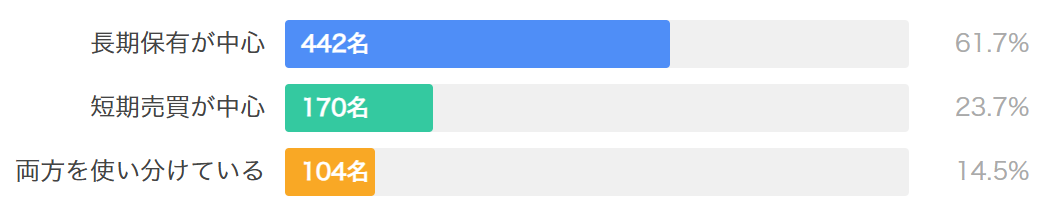
Investors who mainly adopt a long-term holding strategy make up a large majority, at roughly 61.7%.
This approach tends to reduce the psychological stress caused by short-term price swings, but it also creates a psychological burden from continuing to hold an unrealized loss over an extended period.
Meanwhile, 23.7% of investors engage in short-term trading, a group that likely experiences greater mental fatigue from the pressure of timing decisions.
The relationship between mental health and continued investment activity deserves careful consideration.
Ranking of anxiety factors around unrealized losses and gains (multiple answers, among experienced investors)
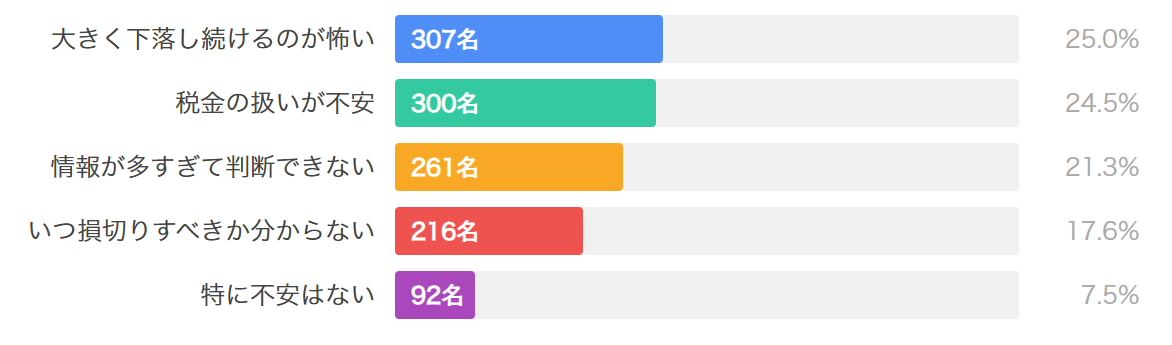
When investors who have experienced unrealized losses were asked about their biggest concern, fear of continued price decline was the most common answer at 307 people (25.0%).
Anxiety about tax treatment was nearly as common, cited by 300 people (24.5%). Difficulty making decisions due to information overload (261 people, 21.3%) and uncertainty about when to cut losses (216 people, 17.6%) also stood out as notable concerns.
(Under Japan's current tax rules as of July 2026, profits from selling crypto assets are treated as miscellaneous income subject to aggregate/comprehensive taxation, and losses can only be offset against other miscellaneous income — not against salary or other income categories. On July 15, 2026, the Diet's House of Councillors passed reforms to the Financial Instruments and Exchange Act that will reclassify crypto assets as financial instruments; a flat 20% separate self-assessment tax rate is expected to apply starting the fiscal year after the law takes effect, likely January 2028.)
These anxieties appear to interact with one another, compounding the overall psychological stress investors face.
Information overload and the psychological effects of relying on social media
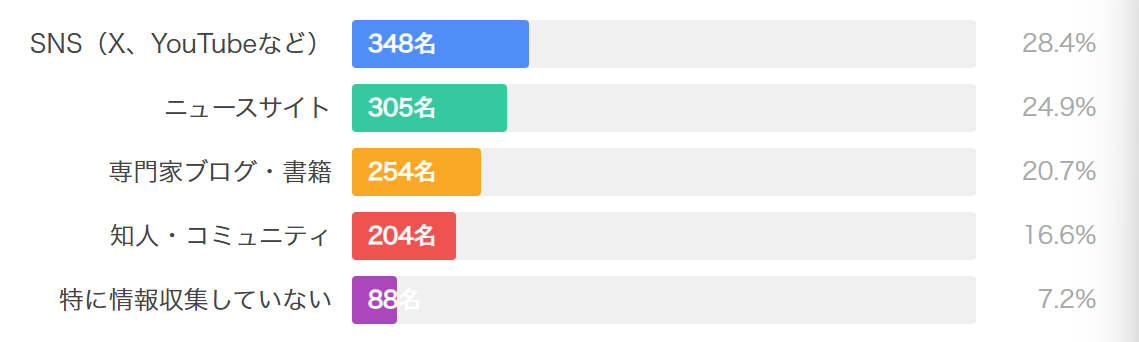
Respondents were also asked where they source investment information. Social media is the most common channel, used by 348 people (28.4%), followed by news sites (305 people, 24.9%) and expert blogs or books (254 people, 20.7%) — suggesting a relatively strong reliance on social media, where information tends to spread in real time.
This can be directly linked to the psychological confusion investors experience when facing unrealized losses. Because emotionally charged posts and overly optimistic or pessimistic predictions are common on social media, the risk of losing objective judgment must also be taken into account.
Distribution of current investment size and its relationship to psychological margin
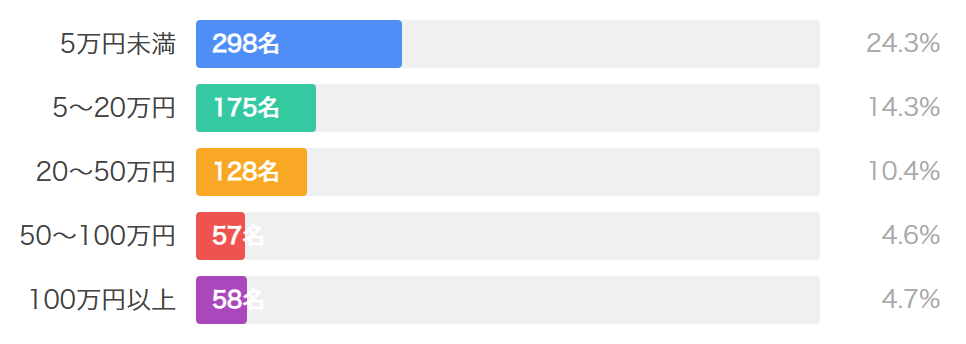
Asked about their current investment amount, "under ¥50,000" (approx. under $320) was the most common answer, cited by 298 people (24.3%).
This was followed by "¥50,000 to ¥200,000" (175 people, 14.3%), "¥200,000 to ¥500,000" (128 people, 10.4%), and "¥1,000,000 or more" (approx. $6,400 or more) (58 people, 4.7%).
There is a strong tendency for the size of an unrealized loss to grow along with the size of the investment, suggesting that the mental health impact scales with investment size. A strategy of starting with a small amount in the early stages therefore appears important for maintaining psychological stability.
Analysis of initial investment amount and current behavior patterns
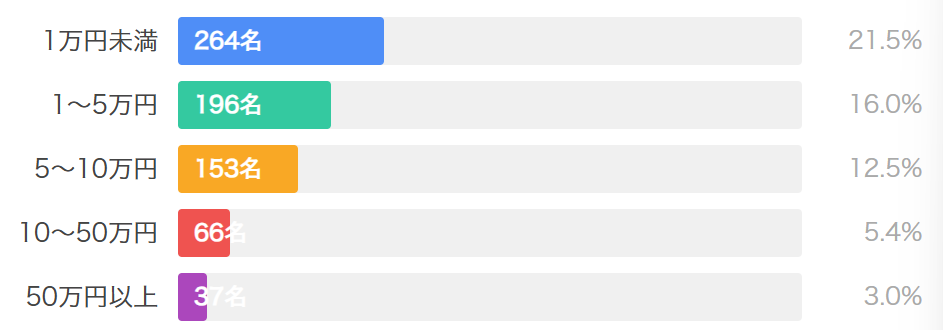
Looking at initial investment amounts, "under ¥10,000" (approx. under $64) was the most common answer at 264 people (21.5%), followed by "¥10,000 to ¥50,000" at 196 people (16.0%).
In other words, roughly 40% of investors kept their initial investment under ¥50,000, a figure that likely reflects a risk-averse mindset when first entering the market.
Meanwhile, only 37 people (3.0%) started with ¥500,000 or more. Starting with a small initial investment appears to be a sound strategy for accumulating ongoing learning and experience, and is also thought to help investors maintain a greater sense of psychological margin.
Cross-analysis of mental health impact by generation
The way investors cope mentally with unrealized losses varies by generation. (Note: the generational cohorts below reflect Japan-specific categories commonly used in Japanese demographic and workforce research, tied to the economic conditions each generation entered the job market under.)
Generation Y, or Millennials (37.6%), and Generation Z (13.9%) tend to be relatively comfortable with technology and have a wide range of information-gathering tools available to them, which may make them feel they have more options psychologically.
By contrast, the Employment Ice Age Generation (29.0%) — those who entered the workforce during Japan's prolonged post-bubble economic stagnation from the early 1990s through the early 2000s — tends to be more cautious, while the Bubble Generation (10.1%), who entered the workforce during Japan's late-1980s economic boom, tends to bring a more historically grounded perspective.
Designing information and support measures tailored to each generation's psychological profile is important.
Generation | n | Anxiety factor #1 | Anxiety factor #2 | Anxiety factor #3 |
|---|---|---|---|---|
Generation Y | 461 | Fear of continued sharp price decline (26.7%) | Too much information to decide (23.4%) | Uncertainty about tax treatment (22.1%) |
Generation Z | 171 | Fear of continued sharp price decline (25.1%) | Not knowing when to cut losses (19.9%) | Uncertainty about tax treatment (19.3%) |
Employment Ice Age Generation | 356 | Fear of continued sharp price decline (26.4%) | Uncertainty about tax treatment (25.8%) | Too much information to decide (20.5%) |
Bubble/Shinjinrui Generation | 203 | Fear of continued sharp price decline (24.1%) | Uncertainty about tax treatment (23.6%) | Too much information to decide (20.2%) |
Key findings and discussion
What this survey reveals is that the experience of unrealized losses creates multilayered psychological challenges. Roughly 65% of experienced investors have experienced an unrealized loss, and given that 54.4% of them have experienced it repeatedly, ongoing learning and mental health awareness become important.
One notable trend is that fear of continued price decline (25.0%) and anxiety about tax treatment (24.5%) are both high at roughly similar levels. This suggests that these are not purely financial concerns — anxiety about uncertainty interacts with the administrative and legal burden that accompanies it.
The high reliance on social media as an information source (28.4%) is also significant. Because social media information is highly real-time, it can have an immediate psychological effect during periods of unrealized loss. The fact that 21.3% of respondents said they "have too much information to make a decision" also shows that information overload itself is a source of stress. Helping investors identify reliable information sources and maintain mental stability is an important challenge for the industry as a whole.
The breakdown by years of experience suggests a potentially high dropout rate in the early stages (roughly six months to a year). Investors who experience an unrealized loss during this period may be more likely to have their commitment to continued investing shaken. Enriching new-investor programs that combine investment education with psychological support could be an important element in supporting the healthy growth of the market.
Conclusion
Experiencing unrealized losses is a nearly unavoidable risk for almost all crypto asset investors, yet support measures for mental health and psychological stability may not currently be sufficiently developed. To help investors make more appropriate decisions, key priorities going forward include building a highly reliable information environment, expanding opportunities for consultation on tax treatment, and strengthening education on position management practices such as cutting losses.
Furthermore, building customized support systems informed by an understanding of psychological profiles by generation is seen as a path toward achieving both investor protection and greater trust in the market.
Psychological profiles by generation and investment style
Generation Y is the largest group in this survey (37.6%), followed by the Employment Ice Age Generation (29.0%) and Generation Z (13.9%). Generation Y tends to have relatively high investment literacy given their longer working careers, but they also carry heavier financial responsibilities such as family and mortgages, so the stress from unrealized losses tends to spill over into their broader lives. Generation Z tends to have a high risk tolerance, but because their investment experience is relatively shallow, some have not yet developed the mental resilience needed to cope with prolonged unrealized losses. The Employment Ice Age Generation shows a strong thrift-oriented tendency (38.7%), and many in this group are thought to have a strong aversion to locking in an unrealized loss — underscoring the importance of providing investment information that reflects the psychological characteristics of each generation in supporting healthy risk management.
This report is intended for informational purposes only and does not constitute any solicitation or advice to invest. Crypto asset investing carries significant risk, and investment decisions should be made at your own responsibility. No guarantee is provided as to the accuracy, completeness, or usefulness of the content of this report. Please make your final investment decisions independently and consult a professional as needed.
Survey overview
Survey date: February 24, 2026
Survey method: Internet survey
Survey population: Men and women residing in Japan (people currently investing in crypto assets, or who have invested in the past)
Valid responses: 716
Conducted by: Clabo, Inc.
Survey questions
- Are you currently investing in crypto assets?
- How many years of crypto asset investing experience do you have?
- What was your initial investment amount in crypto assets?
- What is your current investment amount in crypto assets?
- Which best describes your investment style?
- Have you ever experienced an "unrealized loss"?
- Which best describes your mental state when you have an unrealized loss?
- Which best describes the action you took when facing an unrealized loss?
- Conversely, which best describes your mental state when you have an unrealized gain?
- What specifically worries you about unrealized losses or gains?
- Do you ever feel you lack sufficient knowledge about unrealized losses or gains?
- Have you ever wanted to consult an expert about unrealized losses or gains?
- Which source do you use most often to gather information about unrealized losses or gains?
Clabo, Inc. also offers consultations on wallet recovery, security measures, asset protection procedures, and other crypto asset-related concerns.
If you have any concerns related to crypto assets, we encourage you to make use of our free initial consultation service.
We can also help with issues such as scams, but please also consider making use of the following public and government consultation channels.
Consult Clabo (free initial consultation): https://www.clabo-inc.co.jp/contact
Police Consultation Line (Japan, Japanese-language): #9110
Consumer Hotline (Japan, Japanese-language): 188
Fraudulent Investment Consultation Line (FSA, Japan, Japanese-language): 0570-050588


