


When you create a crypto asset (also known as virtual currency) wallet, you're shown a set of 12 English words. These 12 words are called a "recovery phrase" or "seed phrase," and they are the critical piece of information needed to restore your wallet.
If a recovery phrase isn't stored carefully, you risk losing access to your assets entirely, or having a third party steal them. That's why it's important to understand its significance and store it correctly.
In one case that came to us for consultation, a woman living in Saitama Prefecture used the recovery phrase from her Alta Wallet, a wallet service that had since been discontinued, and successfully recovered approximately 6.5 ETH.
In this article, we'll explain in plain terms the role of the 12-word recovery phrase and the key points for managing it safely.
What exactly is a 12-word recovery phrase?
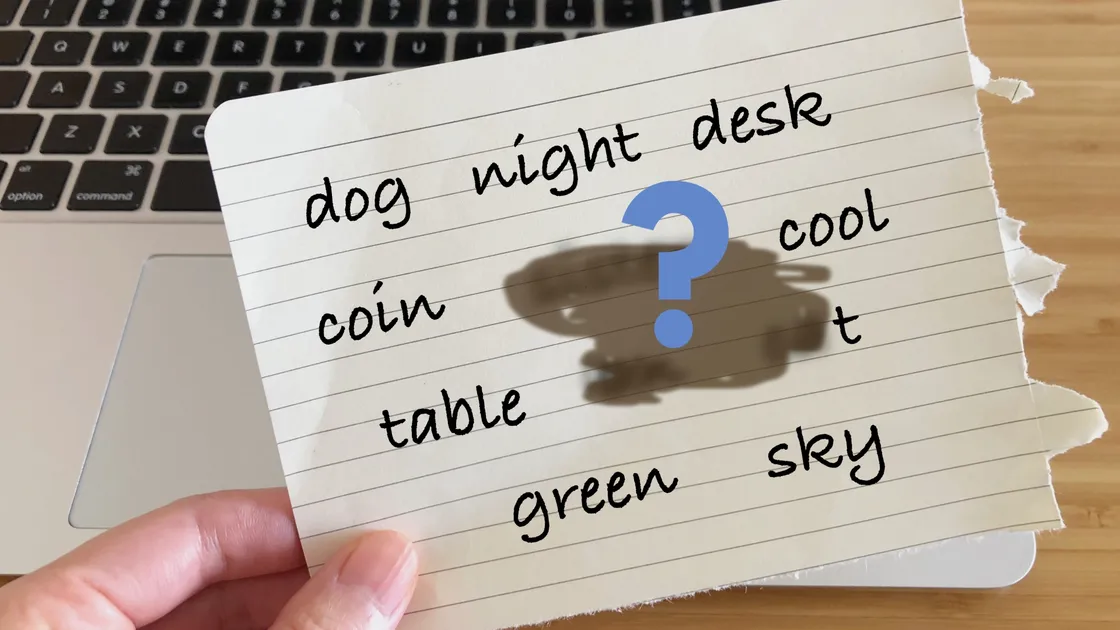
As mentioned at the outset, a recovery phrase is a piece of information made up of 12 English words that is displayed when you create a crypto asset wallet. It's typically shown only once, during the wallet's initial setup, and it's up to the user to record and store it themselves.
Depending on the wallet type and settings, some wallets use 24 words instead of 12. While the word count differs, both serve the same essential role in managing a wallet.
A recovery phrase goes by several names, including:
- Recovery phrase
- Seed phrase
- Secret recovery phrase
- Mnemonic phrase
At first glance, these 12 words may look like a random list, but they play a crucial role in protecting your wallet and assets. So in what specific situations are they actually used?
Essential information for restoring a wallet
A recovery phrase is used when you need to "restore a wallet." There are several reasons you might lose access to a wallet you're currently using, for example:
- Your smartphone breaks or is lost, making the wallet app unusable.
- You forgot to transfer data from your old device when switching phones.
- You accidentally deleted the wallet app.
- You forgot your login credentials (such as a password).
- The wallet service you were using shut down.
In situations like these, you can't access the wallet directly, which means you can't check your balance or send funds. In other words, until you restore the wallet, you have no way to access the assets held within it. This is exactly the situation where a recovery phrase comes into play.
By using it, you can recreate the same wallet on a different device or wallet app and regain access to your assets. In short, a recovery phrase is critical information for getting your assets back.
Case study: recovering approximately 6.5 ETH with a recovery phrase
Let's look at an actual case in which a recovery phrase was used to restore assets. This case involved a consultation with our firm from a woman in her 40s living in Saitama Prefecture.
She had held ETH in Alta Wallet since around 2018, but the app's service had since ended, leaving her unable to open the wallet itself.
As a result, she was unable to check or manage the assets she held, effectively locking her out. However, she still had the 12-word recovery phrase she had written down at the time.
Noting that a recovery phrase can be used across different wallets, she tried entering the phrase into MetaMask, a wallet that supported the same recovery standard, in an attempt to restore access. As a result, approximately 6.5 ETH appeared in MetaMask, and she was confirmed to have full access without any issues.
As this shows, even if a wallet becomes unusable, a recovery phrase can make it possible to get your assets back.
How to handle a recovery phrase correctly
A recovery phrase is critical information for accessing the assets tied to a crypto asset wallet. Because of this, handling it incorrectly can lead to serious problems.
In practice, there have been cases where insufficient storage or management led to lost access to assets, and other cases where a third party learned the phrase and stole the assets outright. To avoid these risks, it's important to correctly understand how a recovery phrase should be handled.
Below, we'll introduce specific ways to handle and manage a recovery phrase.
How to store a recovery phrase
Some people manage their recovery phrase using screenshots or note-taking apps, but this approach isn't generally recommended. The reason is that digital data carries a risk of leaking outside your control.
Unauthorized smartphone access, malware infections, and leaks from cloud services can all result in a third party learning your phrase without your knowledge. For that reason, deliberately keeping it offline, such as writing it down on paper, is the recommended approach in practice.
That said, even paper storage carries the risk of being seen by others, as well as being lost to fire or water damage. It's important to take precautions such as choosing your storage location at home carefully or splitting the phrase across multiple locations.
For long-term storage, engraving the phrase onto a metal plate is also worth considering. Metal is more durable than paper and less prone to degradation or damage, making it easier to store safely over an extended period.
A recovery phrase cannot be reissued
A recovery phrase is, in principle, issued only once, at the time a wallet is created. Some wallets allow you to view it again later for confirmation purposes, but others do not, for security reasons. That's why it's essential to record it accurately the moment it's first displayed.
If you fail to store it at that point, record the 12 words incorrectly, or lose the phrase entirely, you will be unable to restore the wallet. As a result, even if assets remain on the blockchain, you may have no way to access them, effectively rendering them unrecoverable.
Never share your recovery phrase with anyone else
A crypto asset wallet works on the principle that whoever knows the recovery phrase can freely control the assets. Even if the assets are yours, if a third party learns your recovery phrase, they can move those assets at will.
Scams that exploit this mechanism to steal recovery phrases are common. Examples include fake websites designed to look like official sites that trick users into entering their phrase, and messages or emails posing as support staff that try to extract it from you.
As a general rule, no official wallet or service will ever ask you to enter or share your recovery phrase. If you're ever asked to provide or enter your phrase, you should treat it as a likely scam.
Once a recovery phrase has been exposed and assets have been stolen, recovering them becomes extremely difficult. No matter the circumstances, never share your recovery phrase with anyone else.
Conclusion

It's easy to underestimate the importance of a recovery phrase at the moment it's issued. But considering that it's used to restore a wallet, and that it generally cannot be reissued, its importance becomes clear. A single mistake in managing it can result in losing access to your assets, or having them stolen by a third party.
Proper management, such as storing it on paper or splitting it across multiple locations, does take some effort. But that effort is precisely what protects your assets.
How you handle your recovery phrase directly determines the safety of your assets. Don't take it lightly, and be sure to store and manage it carefully.
This article is for informational purposes only and does not constitute financial or investment advice. Please consult a qualified professional before making investment decisions.


