


Did you know that troubles involving crypto assets (also known as virtual currencies) are on the rise in Japan? In particular, investment scams originating on social media and dating apps have become a growing problem in recent years, prompting the Financial Services Agency (FSA) and the Consumer Affairs Agency to issue public warnings. These issues are increasingly being covered as a matter of broader social concern.
Crypto asset troubles come in many forms. Some cases involve suspected investment scams, while others involve contract disputes over investment schools or paid information products, or problems with a crypto asset exchange service provider.
When such trouble arises, one of the first questions people face is: where should I turn for help? There is no single point of contact for crypto asset issues—the right place to consult depends on the nature of the problem. The main options are the consumer affairs center, the police, and the FSA. Since each plays a different role, it's important to reach out to the appropriate one based on your specific situation.
This article explains the main consultation channels available when crypto asset trouble occurs and how their roles differ, organizing which type of case should go to which channel.
When to Contact a Consumer Affairs Center
A consumer affairs center (shouhi seikatsu center) is a channel where consumers can seek advice on disputes with businesses, such as problems with product or service contracts. Crypto asset issues can also fall within its scope if they involve a contract or solicitation dispute with a business. A specialized counselor can help you organize the situation and advise you on how to proceed.
The center can also guide you on how to contact the business involved and what steps to take toward resolution, if needed. Depending on the nature of the problem, you may also be advised to consult the police or other relevant authorities.
Below are some specific cases where this consultation channel can help.
If You've Fallen Victim to an Investment Scam
Among crypto asset troubles, investment scams generate the largest number of consultations. In recent years, there have been reports of people being approached with investment offers through social media or dating apps and then asked to purchase or transfer crypto assets.
I was introduced to a side job on social media that promised easy earnings. I was told I would receive a large reward for completing tasks assigned on a crypto asset website, but I was then billed a penalty fee.
A woman I met through a dating app recommended that I invest in crypto assets. After I made a profit and tried to withdraw it, I was billed for taxes.
A common pattern involves being told that profits are guaranteed or that the principal is protected, leading the victim to transfer crypto assets to a designated wallet or investment site. A small profit may be shown at first, but withdrawals often become impossible afterward, or the victim may be asked to send additional funds.
If you experience trouble like this, consulting a consumer affairs center can help you organize the situation and get advice on how to proceed. Depending on the details, you may also be referred to the police or other relevant authorities.
Crypto asset investment scams are becoming increasingly sophisticated, and it often takes time before victims even realize they've been targeted. If you receive a suspicious investment solicitation or suspect you may have been victimized, it's important to seek advice as early as possible.
If a Contract Dispute Arises with a School or Community
Crypto asset troubles also include contract disputes involving investment schools or communities. One example is paying a high tuition fee to learn crypto asset investment methods, only to find that the actual service differs significantly from what was described.
There are also cases where someone joins an investment community or online salon but receives almost no concrete information and doesn't get the support they expected. In addition, there have been reports of people being pressured into purchasing expensive information products, such as automated trading tools or investment know-how.
Depending on the contract terms and the solicitation method used, it may be possible to cancel the contract or obtain a refund under the Consumer Contract Act. Consulting a consumer affairs center can help you review the contract and get advice on how to proceed.
If You're Pressured into a Contract Through Aggressive Solicitation or Exaggerated Advertising
One type of crypto asset trouble involves being pressured into a contract through aggressive solicitation or exaggerated advertising. Examples include being urged to sign a contract with claims like “guaranteed profits” or “anyone can easily earn money,” without adequate explanation of investment risk.
There are also cases where people are approached with investment offers through social media or seminars and then pressured into signing a contract through lengthy explanations or psychological pressure. In these situations, victims are often not given enough time to make a calm decision before signing.
Depending on how the solicitation was conducted and what was explained, it may be possible to cancel the contract under the Consumer Contract Act. A consumer affairs center can help you organize the details of the solicitation and contract and advise you on how to pursue cancellation or a refund.
If you've experienced aggressive solicitation involving a crypto asset-related service, or if you feel there's a significant gap between the advertised content and the actual service, consider consulting a consumer affairs center.
When to Contact the Police
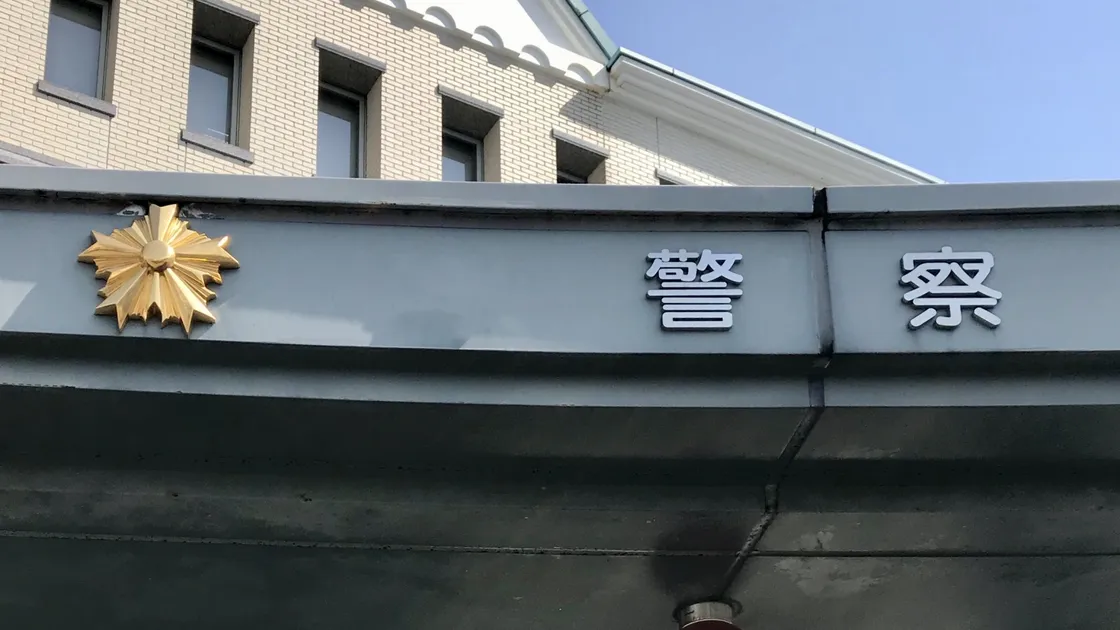
Some crypto asset troubles may amount to a criminal offense. In such cases, you should consider contacting the police rather than a consumer affairs center.
Examples include being defrauded of funds after being approached with a crypto asset investment offer, or having crypto assets transferred out due to unauthorized access to your account. These cases may constitute crimes such as fraud or unauthorized access. Since the case may be investigated as a criminal matter once the extent of the damage is confirmed, it's important to contact the police early if you suspect criminal activity.
Below are the main cases where consulting the police is worth considering.
If an Investment Scam Is Likely
If you may have been defrauded of funds under the guise of a crypto asset investment, you should consider consulting the police. Examples include being encouraged to transfer crypto assets for investment purposes, only to find you can no longer withdraw them or that the operator has become unreachable.
In some cases, victims are asked to make an additional transfer under the guise of a “fee” or “security deposit” in order to withdraw funds. In these situations, the solicitation may have been designed from the outset to defraud the victim of their money.
If you suspect you've been a victim, the case may be treated as fraud. When consulting the police, it helps to organize your message history with the other party, transaction records, and information about the site you used, so you can explain the situation clearly.
If Your Account Has Been Hacked or Taken Over
There are also cases in which a third party gains unauthorized access to a crypto asset exchange account or wallet and transfers out the crypto assets held there. This may constitute a case of unauthorized access and unauthorized transfer.
Simply put, unauthorized access refers to someone without proper authorization entering a computer or system without permission. Even if a password was obtained by some means, logging in without legitimate authority can still be illegal.
One example is being directed to a fake site through a link in an email or message impersonating an exchange, and entering your login credentials there. There have also been reports of authentication information being stolen via malware, leading to unauthorized use of an account.
Such conduct is prohibited under Article 3 of the Act on the Prohibition of Unauthorized Computer Access, and it is illegal to use another person's ID and password to log into a system without authorization. If this kind of damage occurs, the first step is to contact your crypto asset exchange service provider and request that the account be suspended. After that, it's advisable to organize the details of the damage and consider consulting the police as well.
When to Contact the Financial Services Agency (FSA)
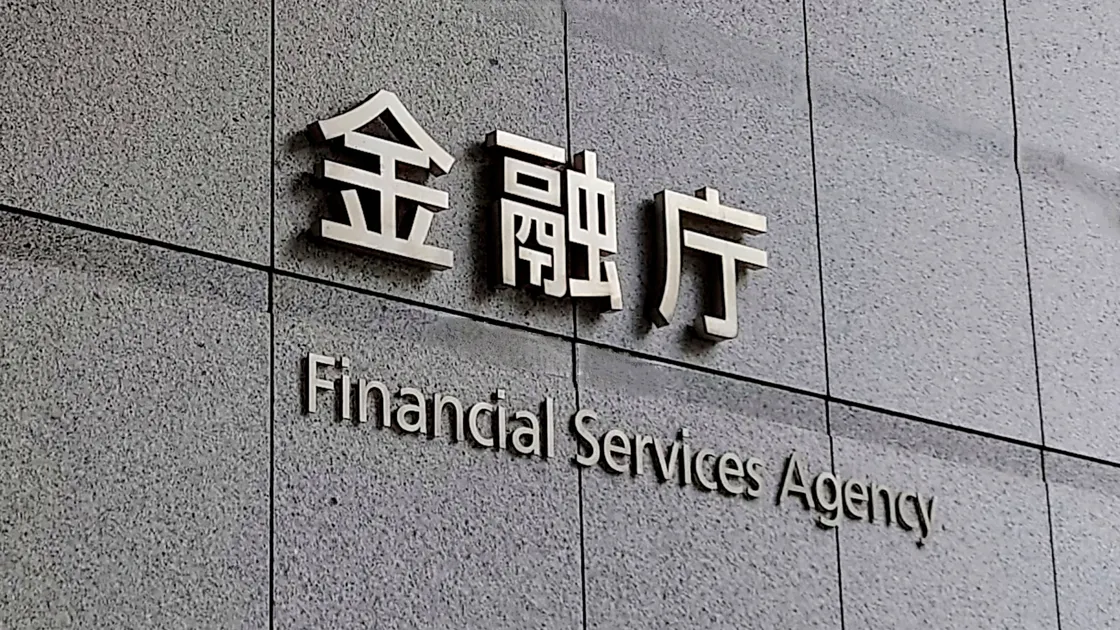
Some crypto asset issues relate to the operations of a crypto asset exchange service provider (exchange) or a crypto asset-related service. In such cases, you can also consider consulting or providing information to the Financial Services Agency (FSA), the government body that supervises crypto asset exchange service providers.
*Note that the FSA is not an agency that resolves individual disputes directly. For contract disputes or damage claims, a consumer affairs center or the police may be more appropriate.
You can contact the FSA through the inquiry desk on its official website. The FSA's website also publishes the registration status of crypto asset exchange service providers, which you can use to check whether the service you're using is a registered provider.
Below are some main examples of when consulting the FSA is worth considering.
If You Suspect an Unregistered Crypto Asset Exchange Service Provider
In Japan, businesses that provide crypto asset buying, selling, or exchange services must register with the FSA. These businesses are called crypto asset exchange service providers and are supervised under the Payment Services Act (PSA).
However, there are cases where businesses provide services to users in Japan without FSA registration—for example, soliciting crypto asset investment through a Japanese-language website or encouraging users in Japan to open accounts.
In fact, the FSA has issued warnings against unregistered overseas crypto asset exchanges. In 2024, warnings were issued against several overseas exchanges, including Bybit, KuCoin, and Bitget, for operating a crypto asset exchange business in Japan without registration.
There have also been cases where unregistered crypto asset sales led to criminal prosecution. For example, it has been reported that the operators of the crypto asset “World Friendship Coin (WFC)” were indicted for selling it without registration.
On the 8th, the Organized Crime Control Division No. 4 of the Metropolitan Police Department arrested seven people, including Michio Kamiya (71), the representative of the operating company handling the transactions, on suspicion of violating the Payment Services Act, for selling a crypto asset (virtual currency) called “World Friendship Coin” (WFC) without registering as an exchange service provider.
Source: Nikkei
As shown above, service provision by unregistered businesses can be a serious problem. If you have concerns about the service you're using, it's important to check the list of registered crypto asset exchange service providers published by the FSA. If you have doubts about a provider's registration status, report the information through the FSA's inquiry desk.
If You Have a Problem with a Crypto Asset Exchange Service Provider's Response
If you have concerns about how a crypto asset exchange service provider has responded to your issue, this may also be a case worth bringing to the FSA.
Registered businesses provide services under the Payment Services Act. However, it's not uncommon for users to feel uneasy about how an exchange has responded to them—for example, when a withdrawal request goes unprocessed for an extended period, or when there's insufficient explanation of important measures such as a service suspension.
In such cases, the first step is to contact the crypto asset exchange service provider you're using. If you still feel the response is inadequate, you can also provide information through the FSA's inquiry desk.
While the FSA does not resolve individual disputes directly, information submitted by users may be used to help supervise crypto asset exchange service providers and support user protection efforts.
Inquiries About the Rules and Regulations Governing Crypto Asset-Related Services
Some crypto asset-related services aren't clearly covered by existing law. For example, with new investment services or businesses that use crypto assets, it can be difficult to determine which regulations apply.
The FSA is the government body that supervises financial services, including crypto asset exchange service providers. If you want to check what system or regulation applies to a crypto asset-related service, you can use the FSA's inquiry desk. Similarly, if you want to check details about the registration system for crypto asset exchange service providers or the regulations governing crypto asset services, you can find information through the FSA's published materials or inquiry desk.
If you have questions about the rules or regulations governing crypto assets, it's a good idea to check the materials published by the FSA or contact its inquiry desk.
Conclusion

When crypto asset trouble occurs, it's important to choose the right consultation channel for your situation, since the appropriate contact point depends on the nature of the problem.
For contract disputes involving investment schools or communities, contact a consumer affairs center. For cases that may involve a crime, such as investment scams or unauthorized access, contact the police. And for issues related to a crypto asset exchange service provider's registration status or response, you can consult or provide information to the FSA.
Crypto assets involve complex mechanisms, and many overseas services are also used, which often makes it difficult to know where to turn when trouble arises. To help prevent damage from spreading, it's important to contact the appropriate consultation channel as soon as you notice a problem and consider how to respond based on your situation.
This article is for informational purposes only and does not constitute financial or investment advice. Please consult a qualified professional before making investment decisions.


