


A crypto swap refers to the act of exchanging one crypto asset (also known as a virtual currency) for another. This means a direct exchange between crypto assets — such as converting Bitcoin into Ethereum — without going through a fiat currency like the Japanese yen.
At first glance, this may look like a convenient mechanism, but depending on how it is used, it can lead to unexpected losses. If you use swaps without understanding how they work, your assets may shrink without you realizing it, so caution is needed.
This article explains, in plain terms, what a crypto swap is and outlines the key points to keep in mind when using one.
What Is a Crypto Swap?
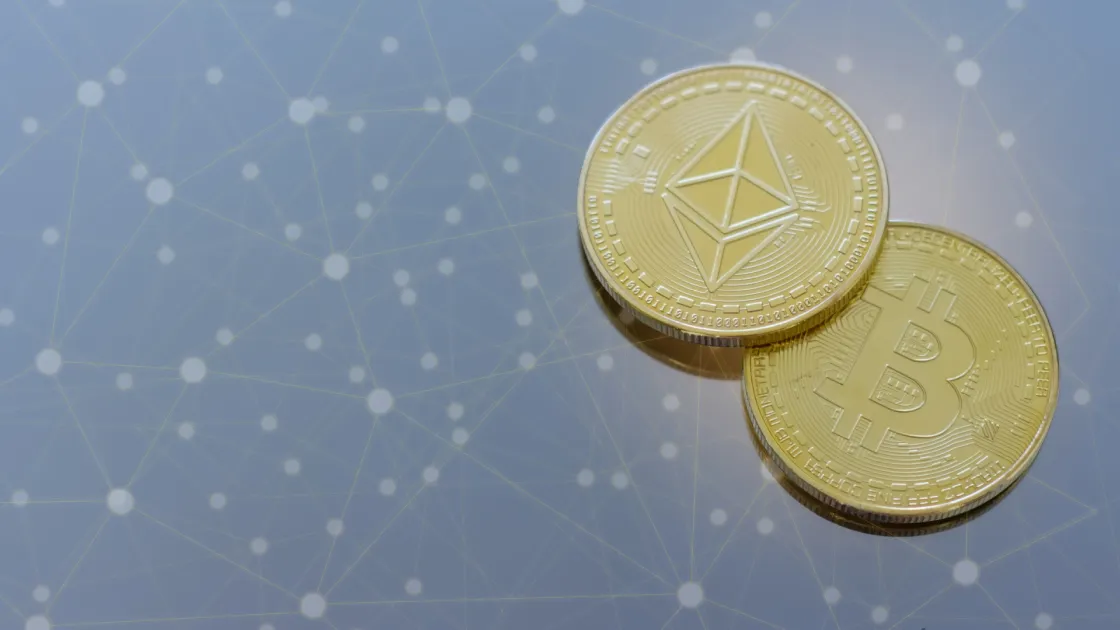
As mentioned above, a crypto swap refers to directly exchanging one crypto asset for another. For example, rather than selling Bitcoin for yen and then using that yen to buy a different crypto asset, a swap converts Bitcoin directly into another crypto asset in a single transaction.
Because crypto assets can be exchanged directly with one another, the process involves fewer steps and allows for relatively fast portfolio rebalancing. In particular, transactions that use decentralized mechanisms rely on swaps as a basic method of trading.
That said, because it is still an exchange, the value on each side is not always equal. Depending on timing and conditions, fees can rise or the exchange may occur at a less favorable rate than expected, so it is important to understand how the mechanism works before using it.
Common Situations Where Crypto Swaps Are Used
In the crypto space, there are cases where the idea of "exchanging directly for the asset you need" is favored over "selling first, then buying." As a result, swaps are naturally built into many transactions, and users sometimes use them without even being fully aware of it.
Here, we look at the situations and purposes for which swaps are typically used.
Trading on decentralized exchanges (DEXs)
On decentralized exchanges, the swap is the basic form of trading. This is because decentralized exchanges have no central administrator or order-book system; instead, trades are carried out by automatically exchanging one crypto asset for another.
A decentralized exchange (DEX) is a trading platform where users exchange crypto assets directly with one another via smart contracts on the blockchain, without going through a central administrator. Users manage their own private (signature) keys and can trade many crypto assets without undergoing identity verification.
The actual operation is very simple. By selecting the crypto asset you want to exchange and the one you want to receive, a pre-built mechanism automatically executes the exchange. Because trades proceed in this way, using a decentralized exchange feels less like "buying and selling" and more like "swapping one crypto asset for another."
Another characteristic of swaps is that they allow you to trade while continuing to use your own wallet, without depositing assets with an exchange. At the same time, since fees and exchange rates fluctuate depending on market conditions, failing to understand how swaps work can result in an exchange happening on unintended terms, so caution is required.
Rebalancing between tokens and adjusting your holdings
Crypto swaps are also frequently used to rebalance a portfolio of holdings. For example, this includes cases where you want to move an asset that has appreciated into a different crypto asset, or where you want to adjust the balance of your holdings in anticipation of future needs.
Converting back to yen in situations like these adds extra buying-and-selling steps and, depending on timing, can cause you to miss an opportunity. Using a swap, however, lets you move directly from one crypto asset to another, which is an advantage when you need to change your portfolio composition in a short amount of time.
There are also cases where holding a specific crypto asset is a prerequisite for using a particular service or feature. In such cases, swapping into the required crypto asset can widen the range of services you are able to access.
In this way, swaps are used not merely as a speculative trading tool but as a practical means of putting crypto assets to use.
Crypto Swaps and FX Swaps Are Different Things

FX trading also uses the term "swap," but aside from sharing the same name, the underlying mechanism and meaning are quite different. Treating them as the same thing can therefore lead to misunderstandings.
In FX, a swap refers to the amount received or paid due to the interest rate differential between a currency pair while a position is held. In other words, an FX swap arises from the act of "holding" a position.
A crypto swap, on the other hand, refers to the act of exchanging crypto asset A for crypto asset B. It is not something that increases or decreases your assets simply by holding them — it is purely a mechanism for changing the type of asset you hold.
In this sense, although the two use the same word "swap," their content is completely different. If you mistake a crypto swap for an interest- or reward-generating mechanism, you risk making unintended decisions when trading. It is worth remembering that a crypto swap is not a profit-generating mechanism, but simply a means of exchange that becomes necessary in the course of using crypto assets.
Advantages of Crypto Swaps
Here, we explain the advantages that crypto swaps offer.
You can exchange crypto assets without going through yen
The main advantage of a swap is that it allows you to exchange crypto assets directly with one another, without going through a fiat currency such as the yen.
When managing crypto assets, situations arise where you review your holdings or adjust your asset allocation and need to move into a different crypto asset. Because a swap completes the transaction without going through fiat currency, there is no need to insert a selling or deposit step, and you can move seamlessly from one crypto asset to another.
Since the transaction process is simplified, this also reduces unnecessary steps and decisions. In particular, in areas such as decentralized finance (DeFi), where transactions between crypto assets are often the default, swaps are widely used as a foundational trading method.
The transaction process is simple and fast
Because crypto assets can be exchanged directly with each other, another advantage is that the transaction process is simple and completes quickly. In most cases, the operation is completed simply by selecting the asset you are converting from, the asset you are converting to, and specifying the amount. As a result, there is no need to repeat multiple steps on the trading screen, which makes the process easy to follow even for beginners.
Fewer steps also means decisions are less likely to be delayed even while the market is moving. In situations where prices are changing rapidly, the longer a transaction takes, the more conditions can shift — so the ability to exchange assets quickly is a practical advantage.
You can exchange crypto assets without depositing them on an exchange
One characteristic of swaps is that they let you exchange crypto assets without depositing them on a centralized exchange (CEX). This type of transaction is mainly carried out when using a decentralized exchange (DEX).
On a decentralized exchange, the exchange between crypto assets is executed by a smart contract — a mechanism that runs on the blockchain and automatically processes transactions based on preset conditions. As a result, you can trade while continuing to use your own wallet, completing the exchange of crypto assets without ever moving them to a centralized exchange.
On the other hand, because asset management is left entirely to the user, there is also a risk of losing assets due to connecting to the wrong destination or making an operational mistake. Understand how the mechanism works and use it carefully.
Disadvantages of Crypto Swaps

A swap is a convenient method of trading, but using it without understanding its drawbacks and precautions can be dangerous. If you use it without grasping how it works, the exchange may occur on unintended terms, and as a result your assets could shrink. Treating it the same as a typical buy/sell transaction on an exchange can also expose you to unexpected costs or risks.
Below, we outline the main disadvantages to keep in mind when using a crypto swap.
Gas fees can become expensive
When using a swap, gas fees can end up higher than expected. In the context of crypto assets, gas fees refer to the fees required to execute a transaction on the blockchain. With swaps that use a decentralized mechanism, this cost is incurred for every transaction.
It is important to note that gas fees are not fixed and can fluctuate significantly depending on how congested the network is. Because of this, a transaction that might cost only a few hundred yen at one time could cost several thousand yen or more at another. This is especially true for small swaps, where fees can make up a disproportionately large share of the transaction, potentially resulting in a real net loss.
For this reason, with swaps, not only the amount being exchanged but also the timing of execution is an important factor to consider. Depending on gas fee conditions, it may sometimes be better to hold off on the transaction altogether.
Slippage can result in an unfavorable exchange
Another point to watch for is slippage, which can cause an exchange to occur on less favorable terms than expected. Slippage refers to the phenomenon in which the price moves between the time a transaction is initiated and the time it is executed, creating a gap between the displayed rate and the actual exchange rate.
Markets are constantly moving, and conditions can change even while a user is checking the rate. This gap tends to be larger for crypto assets with low trading volume or during periods of sharp price movement. As a result, even if you execute a swap at a rate you judged to be acceptable, the exchange may actually be completed on unfavorable terms.
Because this can happen regardless of any operational mistake on the user's part, it is a point that tends to catch beginners off guard. Slippage cannot be avoided entirely, but its impact can be limited by setting a tolerance threshold or choosing to trade during calmer market conditions.
When using a swap, it is important to understand that the displayed rate is not always the rate that ends up being applied.
Risk of connecting to a scam site
When using a swap, you also need to be cautious of the risk of connecting to a scam site or fake service. In particular, when connecting a wallet directly to carry out a transaction, connecting to the wrong site can result in inadvertently authorizing a fraudulent operation.
Many swap-related services look similar to one another, and fake pages that impersonate official sites also exist — another point to be careful of. Connecting a wallet to such a site can trigger an unintended authorization, and there have been reported cases of assets being moved fraudulently as a result. In some cases, the transaction may even appear to have completed normally, with the user only noticing the loss of assets afterward.
To avoid this kind of risk, it is important to keep the following points in mind:
- Always verify the URL
- Access the service only through official sources
- Never connect your wallet to a suspicious site
While crypto swaps offer a high degree of convenience, it is important to understand that they are a form of trading in which users themselves are responsible for managing the risk.
Should Beginners Use Crypto Swaps?
Swaps are a trading method that even beginners to crypto assets can use. That said, as explained above, there are several points to be careful of, so using a swap without understanding how it works is not advisable.
The operation itself is simple, so it can be used intuitively. At the same time, there are many things worth checking, including fluctuating fees, exchange conditions, and the safety of the destination you are connecting to. Using a swap without understanding these points can expose you to unintended costs or risks.
For this reason, before using a swap, take the time to understand how it works and what to watch out for, and proceed carefully.
Summary
A crypto swap is a method of trading that exchanges one crypto asset directly for another. Its defining feature is that it lets you rebalance assets without going through a fiat currency such as the Japanese yen, and it is widely used across the crypto space, including on decentralized exchanges (DEXs) and in DeFi.
Unlike an FX swap, a crypto swap is important to understand as referring to "the exchange itself." Without grasping this difference, you risk using swaps while misunderstanding how they work. It is also important to be aware of risks such as fluctuating gas fees, unfavorable exchanges caused by slippage, and the risk of connecting to scam sites.
By understanding both the mechanism and the risks involved, a swap can become one of the effective tools available for managing crypto assets.
This article is for informational purposes only and does not constitute financial or investment advice. Please consult a qualified professional before making investment decisions.


