


If you've been researching crypto assets (also known as virtual currencies), you've probably come across the terms "mining" or "digging."
You may be curious what it actually means to "mine" a crypto asset, and at the same time, you've likely heard that some people earn rewards through mining, which naturally raises the question of how that works.
This article explains what crypto mining is and whether individuals can realistically earn rewards from it.
What Is Crypto Mining?
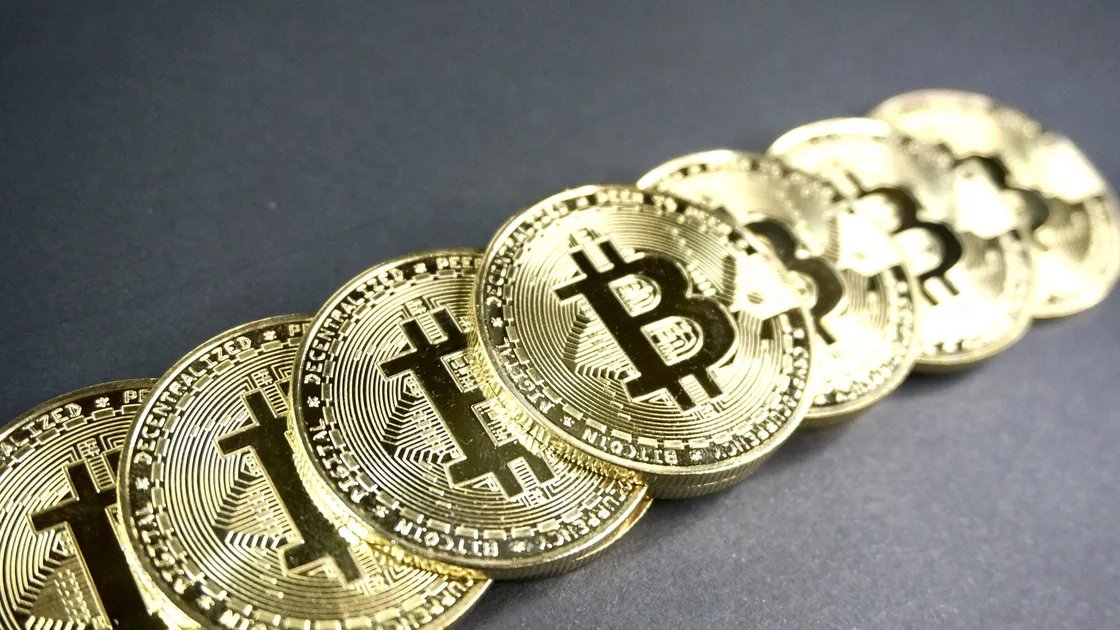
Crypto mining refers to the process of verifying whether transactions are valid and recording that information onto the network.
In the world of crypto assets, there is no central authority such as a bank or company overseeing everything.
Instead, participants around the world monitor transactions in a distributed manner, confirming only valid transactions as official records.
Mining is the role that carries out this task of "verifying and finalizing transactions."
If no one performed mining, it would become impossible to prevent fraud such as:
- Sending the same crypto asset to multiple people
- Making a transaction that never actually took place appear valid
In other words, mining is the foundation that allows the entire crypto asset system to function.
The word "mining" might bring to mind the image of physically digging something up.
In reality, what miners do is verify transaction data and organize and record it according to a set of predetermined rules.
Through this process, the entire crypto asset system is kept running and maintained.
Miners Who Complete the Work Correctly Are Rewarded With Crypto Assets
Verifying and recording transactions isn't a task that finishes simply by processing them in order.
Mining requires meeting conditions set by the network.
Specifically, a rule is set in advance requiring miners to repeat calculations on a bundle of transaction data until the result takes a particular form.
This condition is designed so that it cannot be satisfied easily, requiring an enormous number of repeated calculations.
As a result, everyone participating in mining works with the same transaction data, racing to be the first to find an answer that meets the condition.
Only the first person to find the correct answer earns the right to have that batch of transactions officially confirmed as a record.
This mechanism creates a system in which:
- Cutting corners will not satisfy the condition
- Mixing in fraudulent transactions prevents the correct answer from being found
- Rewriting past records would require an enormous amount of computation
As a reward for successfully completing this work, the miner receives newly issued crypto assets and/or transaction fees.
Transaction Fees Are Also Paid as Rewards
A crypto asset transaction isn't complete the moment you hit "send."
The transaction's contents must be verified and then bundled together with other transactions to be confirmed as a permanent record.
This is the work that miners take on.
In exchange, the sender pays a fee as compensation for having the transaction processed quickly and securely.
That fee goes to whichever miner successfully verifies the transaction and confirms it as part of the record.
The existence of this fee also produces the following effects:
- It discourages meaningless or fraudulent transactions from flooding the network
- It gives miners an incentive to keep working
- It helps the network stay sustainable over the long term
Without fees, miners would depend entirely on newly issued rewards.
In that case, if the reward were to shrink, there's a real possibility that people would simply stop mining altogether.
To prevent that outcome, mining rewards are made up of two components:
- Newly issued crypto assets
- Fees paid as compensation for processing transactions
Can You Actually Make Money Mining Crypto?
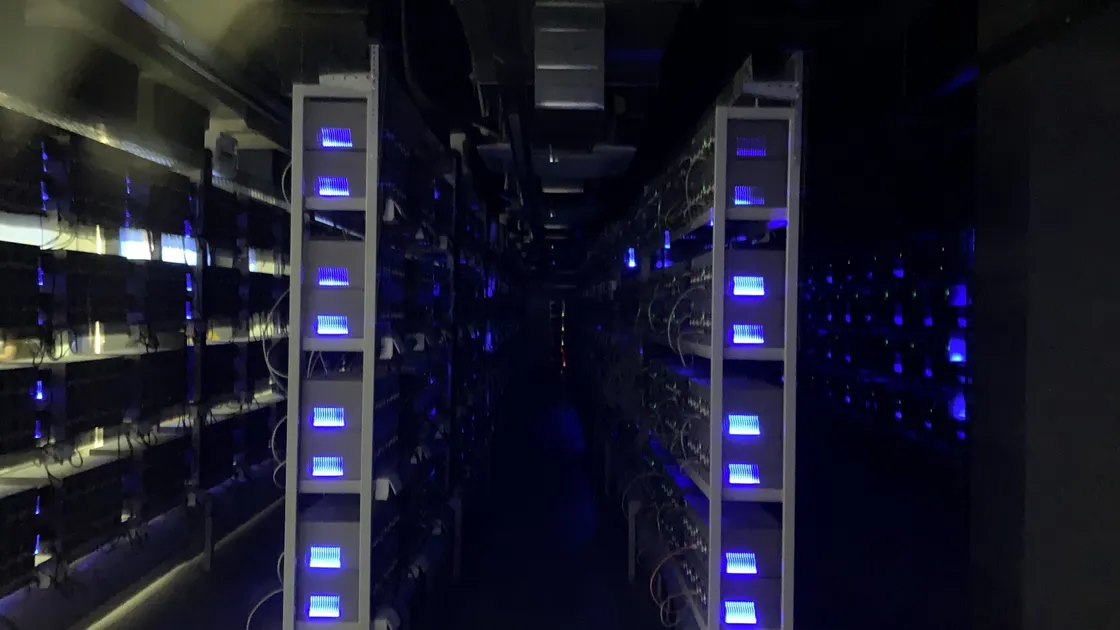
Mining pays out crypto assets as a reward.
You may be wondering whether it's actually possible to profit from those rewards.
The short answer: earning crypto through mining has gotten harder with each passing year.
There was once a time when individuals could mine using their home computer and earn a reasonable profit.
Today, however, the environment and conditions required for mining have changed, and thinking about it the same way you might have in the past can lead to a significant mismatch with reality.
Below, we walk through how the mining landscape has shifted between the past and present, and explain concretely why it has become harder for individuals to turn a profit.
The Mining Environment Has Changed, Making It Harder to Profit
The conditions surrounding mining today are vastly different from what they were in its early days.
In the beginning, there were few participants and competition was not intense.
Because of that, ordinary personal computers could take part in mining, and with a bit of luck, individuals could earn ongoing rewards.
The difficulty of mining was also low, meaning it was relatively easy to turn a profit even after subtracting costs like electricity.
However, as crypto assets became more widely known, the situation changed.
The number of individuals and companies participating in mining surged, and the mining difficulty rose accordingly.
As a result, the reward earned for the same amount of time and the same setup is now smaller than it used to be.
Today, the mainstream approach involves assembling large quantities of specialized, high-performance hardware and operating it at scale in regions with cheap electricity.
In other words, mining has shifted from something "an individual could casually take part in" to "a fiercely competitive field that assumes significant capital and infrastructure."
Halving Events Change Mining Rewards
A halving refers to a mechanism in which the reward earned through mining is cut in half at a predetermined point.
The best-known example is the halving built into Bitcoin.
It's a rule designed to prevent unlimited issuance and to help maintain the asset's value over the long term.
When a halving occurs, the work miners perform doesn't change.
However, the reward they receive for the same amount of work and the same cost is cut in half.
In other words, as time passes, mining naturally shifts toward a structure where the economics become less and less favorable.
Date | Reward After Halving |
|---|---|
November 2012 | 25 BTC |
July 2016 | 12.5 BTC |
May 2020 | 6.25 BTC |
April 2024 | 3.125 BTC |
2028 (date not yet set) | 1.5625 BTC |
Because of this mechanism, mining approaches that were once profitable often become unprofitable once a halving takes effect.
In practice, some participants end up unable to recover their electricity and equipment costs and withdraw from mining altogether.
In this way, halvings are a major factor behind mining conditions becoming tougher year after year.
When thinking about the current mining environment, it's essential to factor in these halving events.
In Closing
Crypto mining plays an important structural role in how the system works, but in reality, it's a high bar for individuals to clear if the goal is profit.
Fixed costs such as equipment and electricity are substantial, and rewards keep shrinking year after year due to competition and halving events.
Because of that, if your goal is simply to profit from crypto assets, mining isn't necessarily the most efficient approach.
That said, mining is far from the only way to try to profit from crypto assets.
Buying and selling crypto assets through an exchange (an order-book exchange) doesn't require expensive equipment, and you can get started with even a small amount of capital.
Trading also comes with the following advantages:
- You can buy and sell on your own timing as prices move up and down
- It's easier to know in advance roughly how much you'll pay in fees and other costs
- You can start with an amount you're comfortable with and adjust as circumstances change
Of course, buying and selling crypto assets also carries price-volatility risk.
However, that risk tends to stay within a range you can manage and adjust yourself, rather than taking the form of "wasted equipment" or "electricity costs that keep piling up regardless of outcome."
If your goal is to profit from crypto assets, you don't necessarily need to commit to mining — there's plenty of room to consider more practical alternatives.
This article is for informational purposes only and does not constitute financial or investment advice. Please consult a qualified professional before making investment decisions.


