


In the world of investing and crypto assets (also known as virtual currencies), you'll often hear the term "gachiho" — Japanese crypto slang for HODL. It refers to an investment stance of holding an asset for the long term without selling, regardless of price swings.
On social media and online forums, you'll frequently see phrases like "HODLing is the right answer" or "you should just keep holding." Anyone who owns crypto assets has likely come across this kind of talk at least once.
That said, HODLing is not a strategy that guarantees profit. Depending on market conditions and the nature of the asset, it can be a rational choice — but it can also be a risky one.
This article explains the basics of what HODLing is, along with an objective look at its advantages and disadvantages. It then offers a framework for deciding whether the strategy fits your own situation.
What Is HODLing (Gachiho)?
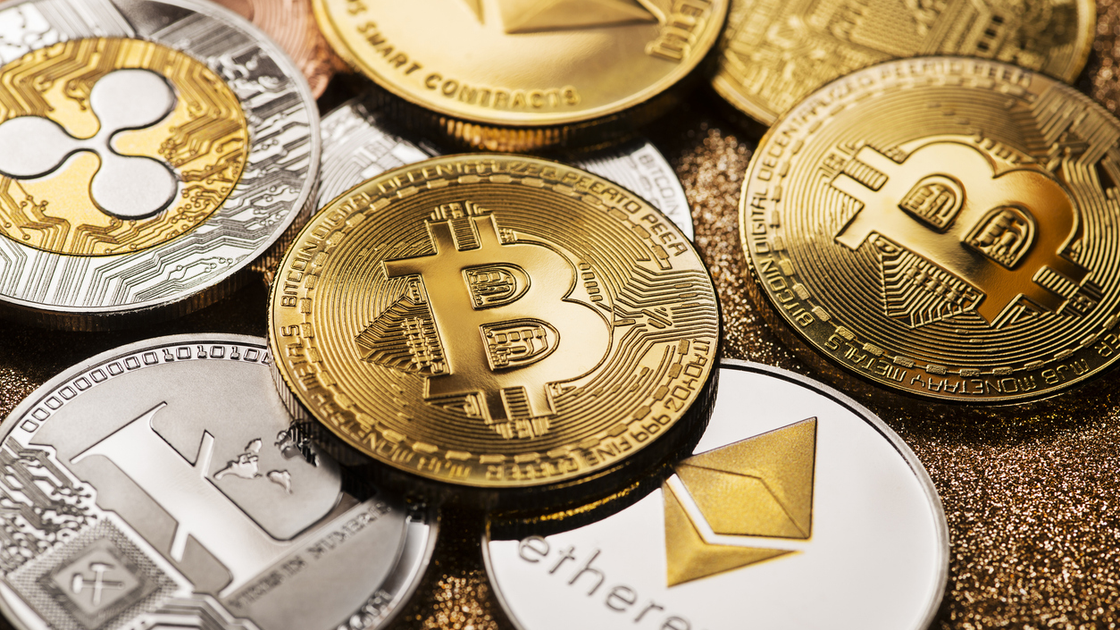
HODLing refers to the practice of holding crypto assets over the long term instead of trading on short-term price movements.
It's an investment approach built on letting time work in your favor, resisting the urge to sell frequently regardless of whether prices rise or fall. The term originated as internet slang, spreading from the phrase "gachi (seriously) hold" — shortened to "gachiho."
As a result, there's no strict rule or formal definition — what counts as "holding," whether a few months or several years, varies from person to person.
What matters is that HODLing isn't the same as mindlessly leaving your assets untouched. It's built on a deliberate decision: holding onto a coin you've judged to have future potential, without being shaken by short-term price swings.
That's a completely different thing from simply holding on because you don't know when to sell.
In this sense, it's important to understand that HODLing isn't an "easy way to make money" — it's one particular attitude toward navigating a highly volatile crypto market.
Why Did the HODLing Mindset Become Popular?
The HODLing mindset spread largely because of how volatile the crypto market is. It's not unusual for crypto prices to swing sharply within a short period, and beginners in particular tend to get swept up in those movements.
Many traders repeated the emotional cycle of buying when prices rose and selling when they fell, and ended up racking up losses.
From these experiences, more and more people began saying things like "it would have been better not to act rashly" or "only those who held on for the long term were rewarded." Gradually, the stance of "hold and don't sell" came to be discussed in a positive light.
It was in this context that the term "gachiho" was born.
Another factor behind this trend is the existence of coins that grew significantly in value over time.
Starting with Bitcoin, cases where long-term holders ended up earning substantial profits became prominent, making it easier for people to voice regret over having sold too early.
As these success stories get emphasized, HODLing is increasingly treated as though it were the "correct" strategy.
What's important to keep in mind, though, is that HODLing is just one way of engaging with the market. It's an option chosen by people who aren't suited to short-term trading, as a way to reduce emotional mistakes — it isn't a universal approach that fits every person or every situation.
Copying the term without understanding this premise can leave you exposed to unexpected risks.
The Misconception That "HODLing = Guaranteed Profit"
HODLing is simply one investment stance among many. It does not necessarily guarantee a profit.
This misconception tends to arise because success stories are the ones that stand out the most.
Stories about people who made big gains through long-term holding spread easily, while cases where a coin's price never recovered — or where it effectively lost all its value despite being HODLed — are rarely talked about.
For example, Monacoin, which the author purchased in 2021 for about ¥200 (roughly $1.30 at an approximate rate of ¥150/USD), had fallen to around ¥15 (roughly $0.10) as of January 2026. Many altcoins and so-called "kusa coins" (a Japanese slang term for low-cap, speculative altcoins) have followed a similar path, with more than a few losing nearly all of their value.
The idea that "as long as I don't sell, the loss isn't confirmed" may feel psychologically comforting, but it's an inadequate basis for an investment decision.
Continuing to hold a position after its price has fallen is itself a real choice — one that means you're still exposed to risk. It's important to clearly understand that refusing to acknowledge a loss is not the same thing as the loss not existing.
HODLing only works as a strategy when a coin genuinely has future potential and the preconditions for sustaining a long-term hold are in place. Rather than taking the phrase "HODL and you'll profit" at face value, the most important criterion is whether you have your own clear reason for continuing to hold.
Key Points to Understand Before You Start HODLing

HODLing isn't as simple as "just hold on and see what happens."
In practice, it's a strategy that only works once several preconditions are in place. Choosing to HODL without understanding this can turn long-term holding itself into a source of risk.
Invest Only with Disposable Funds
When HODLing, it's essential to invest only with money that's completely separate from your living expenses.
That's because HODLing carries a high likelihood that you won't be able to cash out quickly, and there may be long stretches where you have to endure a depressed price.
If you invest money earmarked for living expenses or near-term needs, the psychological pressure often becomes unbearable, and you end up selling at the worst possible moment.
Have a Clear Reason for Holding Long Term
The next key point is having a clear reason for why you're holding a particular coin.
"Because everyone else is HODLing"
"Because it seems like it'll go up eventually"
Vague reasons like these leave you without a clear compass once the market enters a downturn.
HODLing means not reacting to price movements — but in exchange, it demands the ability to endure with a solid rationale behind you.
Regular Check-Ins Are Essential
You also need to pay attention to information beyond just the price. Even with a HODL strategy, going years without checking in on a coin is dangerous.
Has development stalled? Has the team behind the project run into a fatal problem? Without carrying out at least minimal checks on a regular basis, you risk continuing to HODL a coin that has already lost its value.
What Not to Do While HODLing
One of the most common ways people fail at HODLing is by unconsciously engaging in behavior that's incompatible with long-term holding.
HODLing is a "do-nothing" strategy — and precisely because of that, there are certain behaviors you need to avoid.
Checking Price Movements Obsessively
The first thing to avoid is obsessively tracking day-to-day price fluctuations.
HODLing is premised on not worrying about short-term price movements, so reacting to every daily up and down defeats the purpose.
The more frequently you check the chart, the stronger your anxiety and impatience become, which makes impulsive decisions more likely.
Taking Social Media Chatter at Face Value
The next thing to watch out for is getting swept up in the hype and fear-mongering on social media and online forums.
Extreme opinions like "sell right now" or "it's still going way up" tend to stand out, but many of them reflect the position and self-interest of whoever is posting them.
Once you've chosen to HODL, you need to act based on the criteria you've set for yourself, not on other people's emotions.
How Long Should You Keep HODLing?
One of the biggest questions people struggle with when it comes to HODLing is: "How long should I hold?"
The short answer is that there's no single correct holding period for HODLing. It's not something determined by a fixed number of years, nor is it about deciding upfront to hold forever. What matters for HODLing isn't time — it's conditions.
The key question is whether the preconditions you originally set as your reason for holding still hold true.
For instance, if you're holding a coin because you expect it to grow and have future potential, then once that premise collapses, your "reason to keep holding" disappears along with it.
For this reason, periodic reviews are a realistic approach for most people. You don't need to track daily price movements, but it's important to set aside time — say, once every six months or once a year — to check on the project's status and any changes in its environment, and calmly assess whether you still have a reason to keep HODLing.
You also need to think in advance about what you'll do if the price rises.
If you keep postponing a decision purely on the hope that "it might go even higher," you'll end up unable to decide anything at all. Thinking through your exit in advance — at what point you'll lock in some profit, or when you'll reconsider your approach — greatly reduces hesitation.
The Advantages of HODLing Crypto Assets

Because HODLing is often seen as simply "holding for a long time," some people may find it hard to pin down what its actual advantages are.
With that in mind, let's break down the advantages of HODLing as an investment stance, and look at whether it's the right choice for you.
You're Less Likely to Be Ruled by Emotion
One advantage of HODLing is that it makes it easier to keep your emotions in check amid price swings. Crypto assets can move sharply even over short periods, so if you try to trade frequently, anxiety and greed end up having a strong influence on your decisions.
With HODLing, on the other hand, you can keep some distance from the day-to-day ups and downs, which reduces mental fatigue. This is a benefit that tends to be felt most strongly by people with less investing experience.
Of course, this doesn't mean the anxiety disappears entirely. But by deciding upfront that "I won't worry about short-term price movements," you make it easier to avoid impulsive decisions driven by emotion.
You Can Reduce Trading Mistakes
In many cases, losses in crypto trading stem less from a lack of market knowledge and more from trading decisions driven by emotion.
HODLing reduces the number of decisions you have to make, which in turn reduces your chances of making a mistake. It's a simple point, but it's also a genuinely significant advantage.
Even without specialized technical analysis skills or a feel for the market, you can manage your holdings simply by sticking to the plan you set at the outset, which makes your behavior far less prone to wavering.
Fees and Taxes Are Easier to Manage
A somewhat unexpected advantage of HODLing is that it simplifies your financial bookkeeping. Every crypto trade incurs transaction fees, and once you realize a profit, you also need to calculate the tax owed. In other words, the more often you trade short-term, the more complex this bookkeeping tends to become. Under Japan's current tax rules, gains from selling crypto assets are treated as miscellaneous income subject to aggregate (progressive) taxation, rather than the separate self-assessment taxation applied to stocks — and any losses can only be offset against other miscellaneous income, not against income such as wages. On July 15, 2026, Japan's National Diet passed an amendment to the Financial Instruments and Exchange Act that reclassifies crypto assets as financial instruments; a flat 20% separate self-assessment tax rate is expected to apply from the fiscal year following the amendment's enforcement, likely January 2028.
HODLing, by contrast, involves far fewer trades, which makes it easier to keep fees down and means your transaction records stay minimal.
In Japan in particular, many people find crypto tax calculations confusing, so simply having less to manage can itself ease the mental burden.
It Doesn't Require Much Time or Knowledge
HODLing is an approach that's easy to stick with even if you can't devote much time or specialized knowledge to investing. Short-term trading requires frequently checking market movements and closely analyzing news and charts, but HODLing greatly reduces that burden.
Since you don't need to monitor the market on a daily basis, it's also less likely to interfere with your work or personal life. Being freed from the pressure of "I might lose money if I miss a market move" means investing doesn't have to take over your life.
The Disadvantages of HODLing Crypto Assets
While HODLing is often associated only with its advantages, it does come with drawbacks as well.
Because it involves holding for the long term, it carries a different kind of risk than short-term trading — and that's worth being cautious about.
Sometimes You Need the Mental Fortitude to Endure a Downturn
One of the main downsides of HODLing is having to endure extended periods of falling prices. Crypto assets are highly volatile, and it's not unusual for a slump to last for months rather than being just a temporary dip.
Because HODLing involves so few trading decisions, each one you do make tends to carry a prolonged psychological burden.
For people who tend to check prices often, or who feel strong stress over losses, this psychological burden can end up being far heavier than expected. HODLing may look like an easy strategy, but in reality it demands the ability to endure "doing nothing."
The Risk of a Project Disappearing
One risk that deserves particular attention with HODLing is that a crypto asset's value can be wiped out while you're holding it long term. Unlike shares in a company, if the underlying project shuts down, a crypto asset's value can effectively drop to zero.
There's no shortage of coins that gained attention for a while before development stalled, trading volume collapsed, and it became impossible to sell. HODLing is a strategy that leverages time in your favor, but it's important to understand that risk doesn't necessarily decrease just because more time passes.
What makes this tricky is that the warning signs of a coming price decline aren't always easy to spot. In some cases, value erodes not because of short-term price movements, but because of underlying changes — such as the project's team falling apart or development grinding to a halt.
That's precisely why, even while HODLing, it's essential to regularly check whether the project is still active.
Who Is — and Isn't — Suited to HODLing
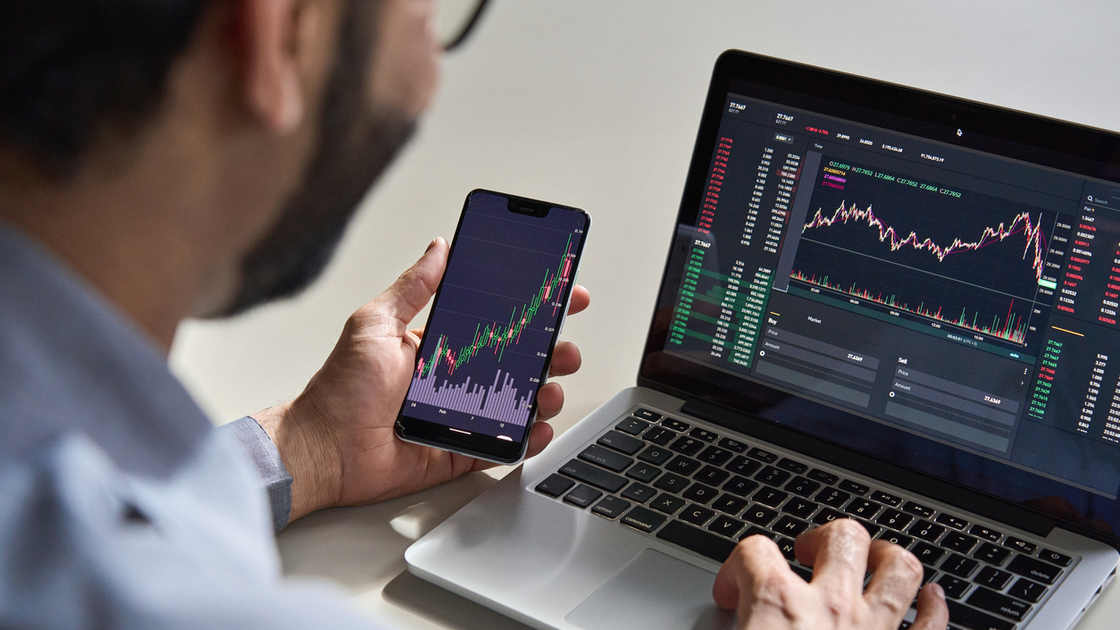
HODLing tends to suit people who don't get overly worried about price fluctuations.
People whose emotions don't swing wildly at the sight of daily ups and downs — who can shrug off short-term price movements as expected — tend to be a good fit for HODLing.
Likewise, people who clearly separate their living expenses from their investment funds, and who invest only an amount they could afford to lose without disrupting their daily life, also tend to handle the strategy well psychologically.
People with their own clear decision-making criteria are also well suited to HODLing. If you can explain why you're holding a particular coin without being swayed by the opinions of others or the general mood on social media, you'll find it easier to stay calm even during a downturn.
On the other hand, HODLing isn't well suited to people who can't help checking prices frequently because the movements bother them. For anyone whose anxiety spikes and whose emotions get shaken every time they look at the price, long-term holding itself becomes a major source of stress.
It's also not well suited to people who invest funds they actually need, since they're unlikely to withstand having that money tied up and are more likely to end up selling at a bad time as a result.
Which Coins Are Suited to HODLing, and How to Choose
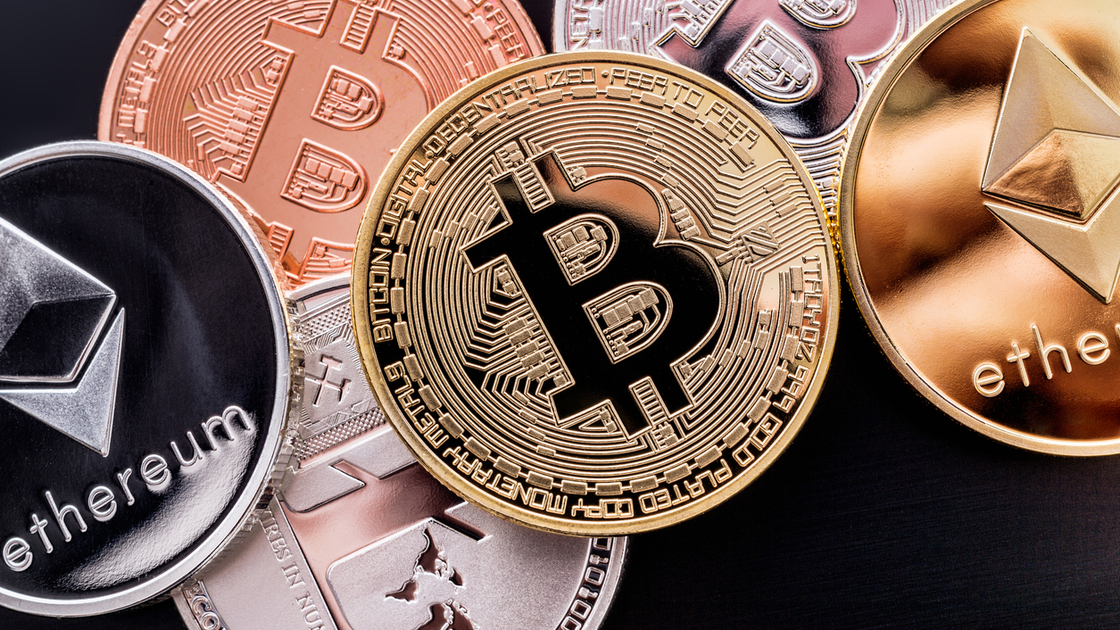
If you're buying crypto assets with a HODL strategy in mind, it's advisable to choose coins that are likely to still be around even on a multi-year time horizon.
Bitcoin (BTC) and Ethereum (ETH) are the leading examples that meet this criterion. What these two coins have in common isn't a guarantee of future profit — it's that their market, development, and user base are structured in a way that makes them unlikely to disappear.
This doesn't mean that every other coin is unsuited to HODLing.
That said, given the history of many altcoins crashing, HODLing Bitcoin (BTC) and Ethereum (ETH) first is the sound starting point.
In Summary

HODLing isn't simply the act of holding onto crypto assets for a long time.
It's an investment stance built on a deliberate decision not to be shaken by short-term price movements, combined with a reasoned commitment to keep holding. On the surface it sounds simple, but in practice it clearly suits some people far more than others.
What matters isn't whether HODLing is the "right answer" — it's whether it fits your own circumstances and personality.
Can you invest with funds separate from your living expenses? Can you withstand a prolonged downturn? Can you periodically revisit your underlying assumptions? Calmly checking these points is what gives the choice to HODL its meaning.
HODLing isn't something you should choose just because it's trendy or because of how the word sounds.
Choosing it based on your own reasoning and criteria is what leads to an investing experience with fewer regrets.
This article is for informational purposes only and does not constitute financial or investment advice. Please consult a qualified professional before making investment decisions.


