


Crypto assets (also known as virtual currencies) are often purchased with long-term holding in mind, and it's common for holders to spread them across multiple wallets and exchanges. Investors with more experience, in particular, tend to use several management methods at once as a way to diversify risk.
However, trouble can arise when trying to access a wallet that hasn't been used in a long time: the private key is on hand, yet the balance simply doesn't show up. This was exactly the situation faced by a man in his 40s living in Aichi Prefecture who came to us for consultation — he held the private key, but his assets weren't displayed.
This article walks through the actual process of how we helped restore access to approximately 2.2 BTC in a case where the balance failed to appear despite the client having a valid private key.
Background: Entering the Private Key Didn't Make the Balance Appear

The client had kept the private key for BTC purchased in the past and, believing recovery should be possible, tried entering it into a wallet. However, even after entering the private key into several different wallets, the balance never appeared, and he remained locked out.
Because the common assumption is that "having the private key means you can always recover your assets," he was understandably confused when the same result kept repeating across multiple wallets. Since the key itself had already been confirmed as genuine and there was no record of the funds ever being moved, the likelihood that the assets had simply vanished was considered low.
Despite this, the balance still wouldn't display, and after concluding that resolving the issue on his own would be difficult, he reached out to us for consultation.
The Cause: A Mismatch Between Private Key Format and Address Specification

In this case, the private key itself had been stored correctly, but its specific format limited which wallets could actually use it.
Not all crypto wallets operate under the same specifications — compatibility varies depending on the private key format and the address type. As a result, entering a private key into a common wallet won't show the balance if that wallet doesn't support the specific format. This isn't a case of user input error; it comes down to the wallet's own specifications.
Bitcoin also has several different address types, each handled differently and supported by different wallets. Without understanding this, a person can enter entirely correct information and still end up with a balance that refuses to display.
Our investigation confirmed that the private key in this case was in a format known as HEX, and the address type was Legacy. This meant we needed to select a wallet compatible with that specific combination.
Restoring the Wallet Using Electrum
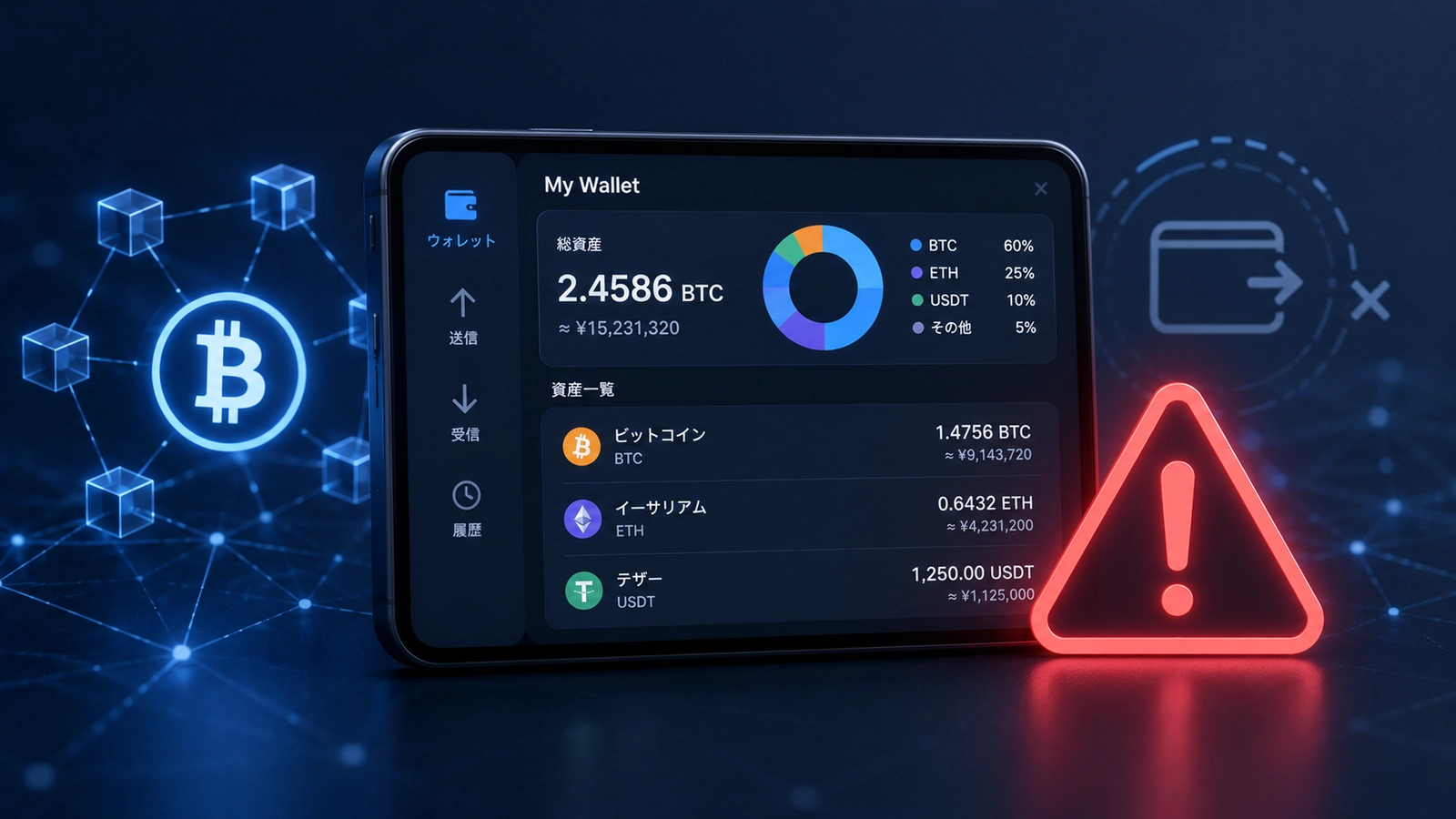
Given the private key format and address type, we selected Electrum as the compatible wallet. Electrum is a Bitcoin-only wallet known for supporting Legacy addresses and specific private key formats. Since every wallet has its own range of supported formats, choosing the right one for the situation is essential — and Electrum stands out for how flexibly it can handle private keys.
In practice, we imported the private key into Electrum and regenerated the corresponding address. When a valid private key is processed by a compatible wallet, the resulting address matches the one recorded on the blockchain, which is what allows the balance to appear.
As a result, the BTC balance that had previously failed to appear was confirmed, and access to the original wallet was successfully restored.
Final Result: Access to Approximately 2.2 BTC Restored in About 30 Minutes

Recovery was completed roughly 30 minutes after the initial consultation, and the approximately 2.2 BTC in assets was correctly displayed in Electrum. This also restored normal functionality, including checking the balance and sending or receiving funds.
In this case, the fact that the private key had been stored correctly, combined with accurately identifying the relationship between the key format and a compatible wallet, made the fast recovery possible. Quickly narrowing down the root cause also contributed to shortening the overall recovery time.
What This Case Reveals

As this case shows, simply holding onto a private key doesn't guarantee recovery. Because assets are recorded on the blockchain, having the private key does mean access is technically possible — but the outcome still depends heavily on how that information is handled.
In particular, depending on the private key format and address type, an incompatible wallet may simply fail to display the balance. In such cases, the issue isn't user error but a difference in specifications, which makes choosing the right wallet essential.
In other words, recovery hinges not just on whether you have the private key, but on how that private key is handled.
Key Steps to Prevent This From Happening Again

A private key or recovery phrase is critical information for accessing your assets, but how it's handled also determines whether recovery will actually succeed. For that reason, it's important not just to store this information safely, but also to understand in advance which wallets can be used to restore it.
Since wallet specifications and supported formats vary widely, it's advisable not to rely on a single app and instead to be familiar with multiple options. For example, checking in advance whether major wallets can restore your assets is one effective precaution.
Confirming your recovery method ahead of time makes it possible to respond calmly if trouble does arise.
If You're Facing a Similar Situation

Cases like this one — where the private key is in hand but the balance simply won't display — aren't unusual. This is especially true for people using multiple wallets or wallets left untouched for long periods, where differences in specifications can result in a loss of access.
Having the private key doesn't guarantee recovery on its own; there are situations where identifying the correct format and choosing a compatible wallet are also required. Getting these judgment calls wrong can mean recovery fails even when the correct information is in hand.
It's also common for people to get stuck when a balance fails to display, unable to tell whether it's a genuine failure or simply a specification issue. This tends to be especially true when a large amount of assets is involved, as the stakes make people understandably cautious about proceeding. What's more, continuing to work with the wrong wallet can make the situation more complicated, so careful judgment is needed at every step.
As this illustrates, even though the technical work itself can be simple, it often requires careful judgment calls along the way — so if resolving the issue on your own proves difficult, seeking advice from a specialist is a valuable option. Clabo handles consultations for cases like this as well, so please feel free to reach out if you have any concerns.
This article is for informational purposes only and does not constitute financial or investment advice. Please consult a qualified professional before making investment decisions.


